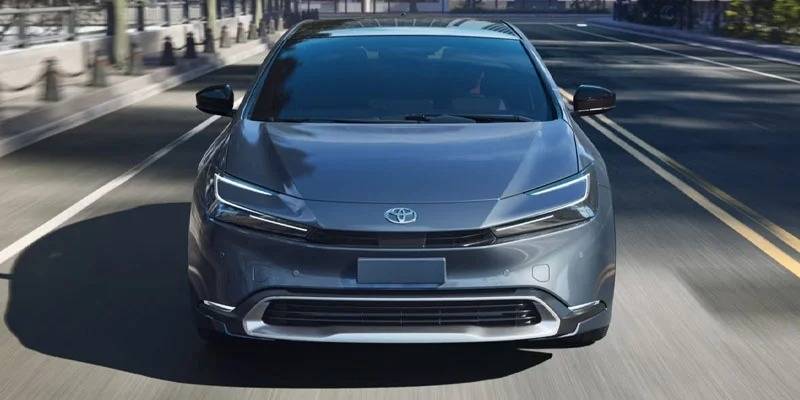
Oklahoma in August is a useful test for any vehicle. Temperatures can push past 100 degrees, pavement radiates heat long after sunset, and air conditioning goes from a comfort feature to essential equipment. For hybrid shoppers around Lawton, that raises a sensible question: how does all that heat affect a Toyota hybrid? Toyota hybrid systems are designed to monitor and manage operating temperatures across the powertrain. But there's more to hot-weather performance than the hybrid battery alone. Cooling, airflow, maintenance, and the way the gasoline engine and electric motor share the workload all play a part.
The Battery Doesn't Simply Sit There and Bake
A hybrid battery operates most effectively within a controlled temperature range, so temperature management is an important part of the system. Toyota hybrids can use nickel-metal hydride or lithium-ion batteries, depending on the model and configuration. The vehicle monitors battery conditions and uses cooling provisions designed to help manage temperature during operation. That cooling system needs airflow, which gives owners one simple maintenance responsibility: don't obstruct the hybrid battery's cooling intake. Depending on the Toyota model, its location can vary, so consult the owner's manual for the specific vehicle. This is particularly relevant in Lawton, where a parked vehicle can accumulate considerable cabin heat before the journey even begins.
Two Power Sources Can Share the Work
Toyota's hybrid system combines a gasoline engine with electric motor assistance, automatically determining how those power sources should work together as driving conditions change. Around town, the electric motor can contribute during low-speed operation and acceleration. The gasoline engine can shut off in certain situations when it isn't required, then restart as the system calls for additional power. The driver doesn't need to manage any of this manually. The point of the system is that the transition between gasoline and electric power happens automatically. Hot weather doesn't change the fundamental operating principle. The vehicle continues managing the powertrain while its cooling systems deal with the additional thermal demands created by high ambient temperatures.
Regenerative Braking Has Another Job
Toyota hybrids also recover energy during deceleration through regenerative braking. Instead of relying exclusively on the conventional friction brakes to slow the vehicle, the hybrid system can use the electric motor as a generator and send recovered energy back toward the battery. That's useful in stop-and-go driving, where repeated deceleration provides repeated opportunities for energy recovery. It doesn't eliminate heat from braking, nor does it mean the conventional brakes get the summer off. It simply allows some energy that would otherwise be lost during deceleration to be recovered and reused. For city driving around Lawton, that's one of the fundamental reasons hybrid technology makes sense beyond simply having a battery attached to the car.
Heat Still Deserves Respect
No battery particularly enjoys excessive heat. Toyota's temperature-management systems are there to protect hybrid components during normal operation, but owners still have a role in maintaining the vehicle. Parking in a garage or shaded area can reduce the amount of heat accumulated inside the vehicle. That's good for the cabin and gives the climate-control system less work when you start driving. Plug-in hybrid owners may also have access to climate-control functions that can prepare the cabin before departure, depending on the model and equipment. Most importantly, follow Toyota's maintenance schedule. Coolant and other supporting systems should be inspected and serviced according to the requirements for the specific model rather than according to a generic summer checklist.
Don't Forget About Airflow
One of the easiest hybrid-specific maintenance habits is also one of the least dramatic: keep the battery cooling intake clear. Dust, debris, and pet hair can interfere with airflow if allowed to accumulate around an intake. Oklahoma's dusty conditions make periodic inspection especially sensible. The cabin air filter also deserves attention according to the maintenance schedule. It serves a different function, but keeping the vehicle's ventilation and climate-control systems maintained becomes particularly noticeable when they're working hard through summer. The owner's manual remains the best guide because cooling arrangements and maintenance requirements aren't identical across every Toyota hybrid.
A Hybrid Is Still a Car in August
It's easy to treat a hybrid as an entirely different species of vehicle. In practice, it still needs tires, fluids, air conditioning, cooling systems, and routine maintenance. Toyota's hybrid hardware simply adds another carefully managed layer to the powertrain. SouthWest Toyota of Lawton can help Oklahoma drivers compare available Toyota hybrid inventory and understand the maintenance requirements that come with them. If you're considering making your next Toyota a hybrid, schedule your hybrid test drive online first. An Oklahoma summer should be part of the buying conversation, not a reason to avoid having it.